


In “Pick Your Seat”, we asked readers to pick one role that fits the time they really have. This companion guide is for groups: a congregation, a team, a block of neighbors. Shared work lasts longer than one person’s good intentions, because when one member has a hard month, someone else covers.
Every group needs one coordinator. That person makes the first call, keeps a simple shared list of who does what, and is the single contact the partner organization hears from. Pick a plan below.
1. Church or faith group: answer local needs on CarePortal
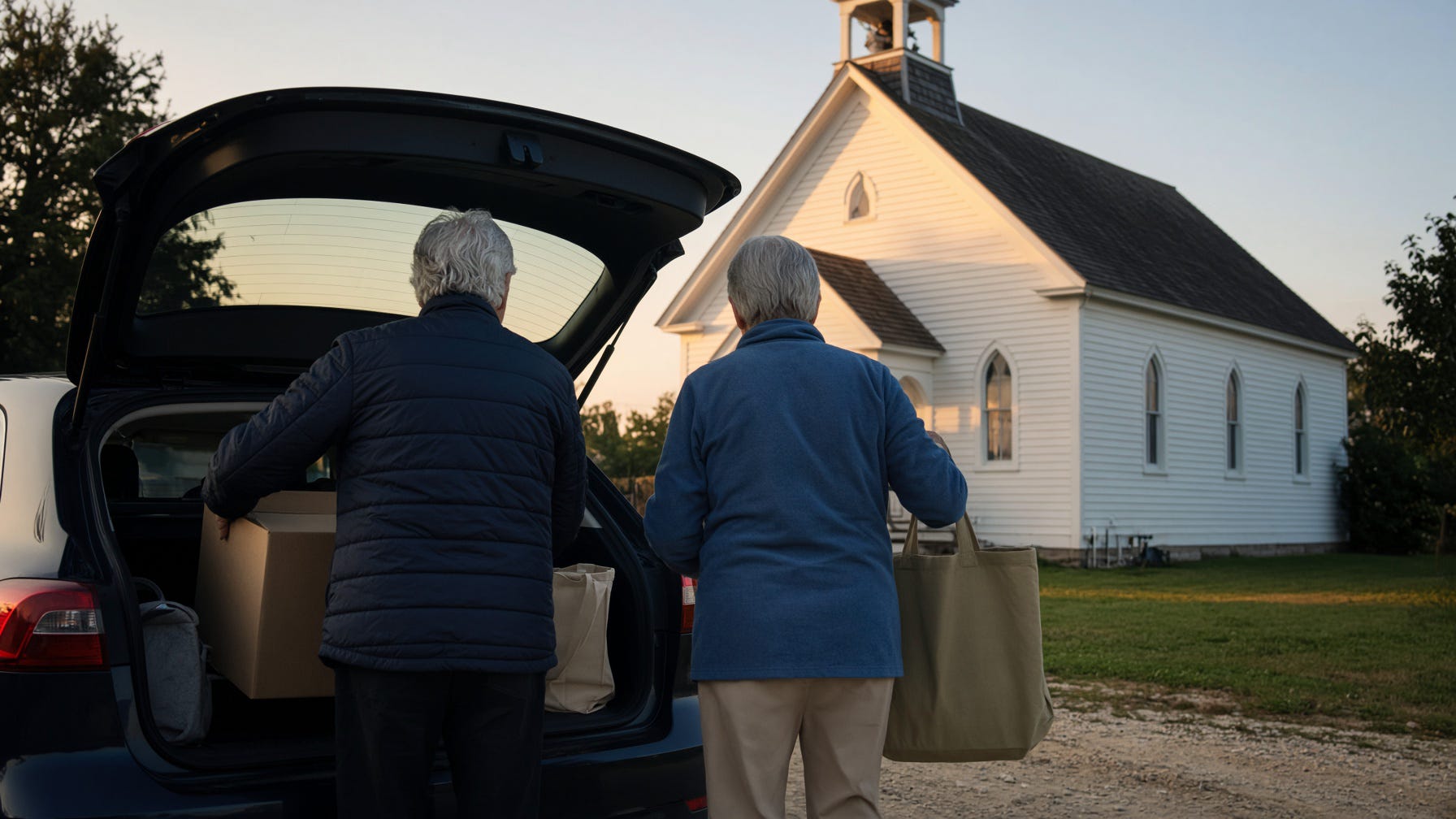
Who it fits: congregations that can gather goods or money quickly.
How it works: child-serving professionals vet needs and enter them into CarePortal, which emails or texts alerts to nearby churches. CarePortal says more than half of requests get a response in under 48 hours, so speed matters.
What the coordinator does: signs up “As a Church” and receives alerts.
First-month checklist:
Register the congregation.
Build a small response team that can say yes or no within a day.
Set a small fund or supply shelf.
Ask who on the team should take CarePortal’s training, since only trained response team members help deliver items alongside the professional.
Real time cost: CarePortal does not publish one. Planning estimate: a few hours per request answered.
Sample first call: “We’re registering our church. What training do our delivery volunteers need, and what needs come up most in our county?”
2. Team or club: become Safe Families Family Friends

Who it fits: sports teams, clubs and coworker groups with full schedules.
How it works: Family Friends may support Host Families by dropping off meals, providing childcare or supplying transportation. They also provide friendship and encouragement to parents.
What the coordinator does: finds a chapter on the Safe Families locations page and asks whether members can train together.
First-month checklist:
Each member applies. Program staff screen volunteers with references and criminal and child abuse background checks.
Complete the 3-hour core training, plus any state Mandated Reporter Training.
Set up a meal and ride rotation the chapter approves.
Real time cost: 3 hours of core training plus Family Friend mentoring training (Clearinghouse). After that, ask the chapter.
Sample first call: “Several of us want to be Family Friends together. When is the next training, and how could a team split meals and rides?”
3. Neighbor group: back a relative caregiver
Who it fits: neighbors who know a grandparent or other relative raising a child.
How it works: kinship navigator programs connect kin caregivers to benefits and services. Eligibility varies. Alabama’s program is open to kinship families regardless of child welfare agency involvement, while Kentucky’s offers short-term navigation for caregivers identified for placement by the state child welfare agency.
What the coordinator does: asks the caregiver first. Help only with their invitation, and keep the child’s details private.
First-month checklist:
With the caregiver, find their state on the list.
Offer rides or company for appointments.
Set up a meal or yard-work rotation.
Real time cost: the list does not state one. Planning estimate: one or two hours per helper per month.
Sample first call (made by or with the caregiver): “I’m raising my relative’s child. What services can I get, and do I qualify?”
4. Any group: sponsor one CASA/GAL advocate
Who it fits: a group with one member ready for the biggest commitment on this list.
What the coordinator does: helps the volunteer find a program through the National CASA/GAL program finder, then organizes the group to cover that person’s errands, meals or childcare. The group never contacts the child or discusses the case.
First-month checklist:
Volunteer applies and completes screening.
Group sets a support schedule for training weeks.
Real time cost: more than 30 hours of training before working with a child, plus 12 hours of continuing education each year. At one local program, volunteers spend 10 to 15 hours a month on a case for about 18 to 24 months.
Sample first call: “I’d like to become a CASA volunteer. When does the next training class start?”
5. Not sure which fits? Call 211
Who it fits: any group that wants a local referral first.
How it works: 211 connects callers to local help, and every call is confidential. It also lists caregiver resources.
What the coordinator does: calls, takes notes and brings two or three options back to the group.
First-month checklist:
Make the call.
Pick one option as a group.
Make that organization’s first call.
Real time cost: planning estimate: under an hour for the call.
Sample first call: “Our group wants to help foster or kinship families in our county. Who needs volunteers?”
Keeping the group going
The following rhythm is a planning suggestion, not a program rule.
Months 1 to 2: sign up, screen and train.
Months 3 to 11: rotate tasks monthly so no one burns out. Keep a shared calendar.
Every quarter: the coordinator checks in with the partner organization and asks, “What’s working, and what do you need from us next?”
Month 12: decide together whether to renew, switch seats or add a second.
Commitments can outlast a year. Safe Families aims to keep in touch with families for 6 to 12 months after children return home, and CASA cases at one program last about 18 to 24 months.
If a child is in danger
If a child is in danger right now, call 911. Report a missing child to law enforcement first, then call NCMEC at 1-800-THE-LOST. To talk through a worry about abuse, call or text Childhelp at 1-800-422-4453, available 24/7. Childhelp is not a reporting line, so to make a report, contact your state’s child protective services.
projectmilkcarton.org • facebook.com/ProjectMilkCarton • X @P_MilkCarton • YouTube @ProjectMilkCarton • Bluesky @projectmilkcarton.bsky.social • TikTok @17thsogmedia (17th SOG Media, PMC’s charter)
If you enjoyed this work and feel encouraged by transparency like this, please consider becoming a paid subscriber to Project Milk Carton here on Substack, or donate at Project Milk Carton Inc.
Your support helps us turn information into action for children and families by:
keeping high-risk and missing children visible
identifying gaps in the systems responsible for protecting them
giving families and communities clear, usable information they can act on
supporting education, outreach, and practical community-based solutions
maintaining the public-data and open source work that makes this accountability possible
building tools and resources designed to help communities protect children before they disappear into a system
Most importantly, please share this article.
Transparency survives when ordinary people help spread information.
Informed communities protect children.
ALL paid subscriptions are 100% tax-deductible.
Project Milk Carton | 501(c)(3) | EIN: 33-1323547